
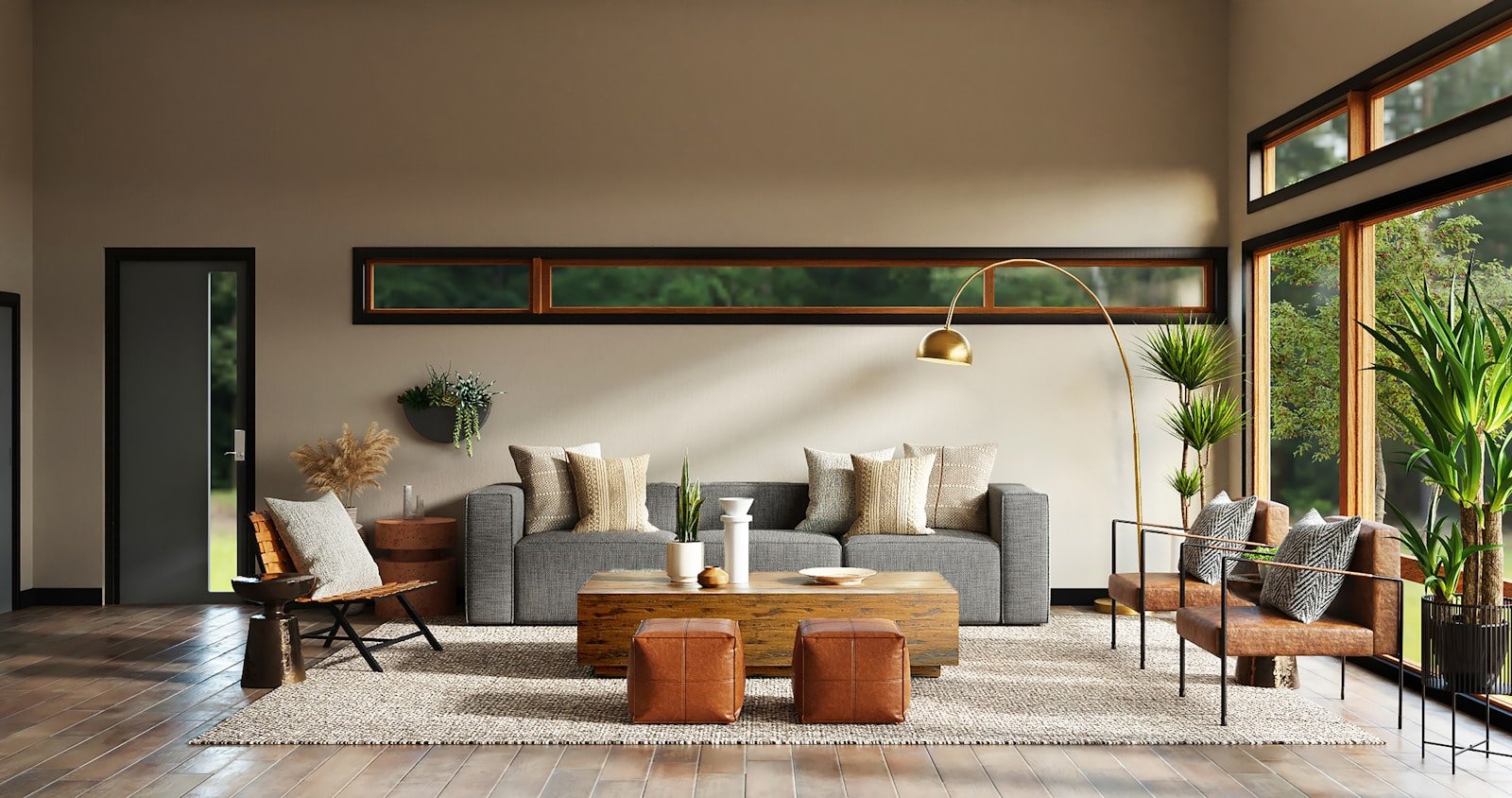
In 2025, U.S. homeowners are investing over $30 billion in smart home upgrades, with 65% focusing on interior integration to blend tech invisibly into daily life—boosting comfort, efficiency, and resale value by up to 5%. As remote work and sustainability shape lifestyles, automation evolves from gadgets to architectural elements: think tunable lights mimicking sunsets or AI shades syncing with circadian rhythms. From luxury lofts in NYC to eco-ranches in Colorado, this guide—drawing from CEDIA, Houzz, and Vivint insights—explores trends, room-specific ideas, costs, and tips for harmonious integration. Whether retrofitting a 1950s bungalow or building new, prioritize Matter-compatible ecosystems for future-proofing.
Why Integrate Home Automation into Interiors in 2025?
Seamless tech elevates spaces without disrupting aesthetics—reducing energy use by 20–30% and enhancing wellness. Key drivers:
- Aesthetic Harmony: Devices like sculptural thermostats replace bulky hubs, aligning with minimalist or biophilic designs.
- Sustainability Edge: Solar-linked systems and AI energy monitors qualify for $7,500 federal tax credits via the Inflation Reduction Act.
- Personalization Boom: AI learns routines for auto-adjusting lights, shades, and scents—ideal for multigen homes.
- Market ROI: Integrated homes sell 30% faster in tech-savvy areas like Silicon Valley or Austin.
Costs range $5,000–$50,000 (basic to luxury), with 40% ROI on mid-tier installs. Consult CEDIA pros for seamless execution.
Top Home Automation Interior Integration Trends for 2025
2025 trends fuse tech with design languages like Japandi or organic modernism. Here’s a snapshot:
| Trend | Description | Key Benefits | USA Cost Add-On |
|---|---|---|---|
| Invisible Automation | Hidden wiring, flush-mount speakers, app-only controls. | Clean aesthetics; no “wall acne.” | $2,000–$5,000 |
| Circadian & Biophilic Lighting | Tunable LEDs syncing with natural light; plant-integrated sensors. | Improves sleep/mood; 25% energy savings. | $1,500–$4,000 |
| Sustainable Energy Hubs | Solar-integrated shades, AI thermostats, water-efficient fixtures. | Lowers bills 20%; eco-rebates. | $3,000–$7,000 |
| AI-Personalized Wellness | Voice-activated aromatherapy, sleep-tracking beds, mood-adaptive colors. | Custom comfort; aging-in-place support. | $2,500–$6,000 |
| Multi-Functional Furniture | Charging-embedded tables, soundproof smart desks, curved modular pieces. | Space-saving; hybrid work-friendly. | $1,000–$3,000 |
| Seamless Security Integration | AI cameras in decor (e.g., picture frames), auto-locking doors. | Discreet safety; emergency links. | $1,500–$4,000 |
1. Living Room: Ambient Wellness Hub
Transform communal spaces into responsive retreats with layered lighting and hidden AV—perfect for open-concept California homes.
Key Integration Ideas
- Tunable Lighting: Lutron Caseta system dims to sunset hues via app or voice ($800–$1,500).
- Integrated Audio: Flush Sonos speakers in ceilings; AI playlist curation.
- Smart Shades: Motorized Hunter Douglas for UV control, syncing with TV glare reduction.
Pros and Cons
| Aspect | Pros | Cons |
|---|---|---|
| Usability | Voice/group control via Alexa; energy auto-off. | Initial hub setup ($500). |
| Aesthetics | No visible wires; blends with neutral palettes. | Custom install needed for curves. |
| Efficiency | 30% light savings; wellness boosts. | App glitches in multi-user homes. |
Pricing and Availability
$3,000–$6,000; Best Buy, Lutron.com—USA rebates via ENERGY STAR.
Cozy convergence for family movie nights.
2. Kitchen: Efficient Entertaining Core
Embed tech in appliances and counters for seamless meal prep—trending in hybrid Houston kitchens.
Key Integration Ideas
- Smart Appliances: Home Connect ovens preheat via app; integrated induction with recipe sync.
- Wireless Charging: Quartz counters with built-in pads; under-cabinet task lights.
- Voice Faucets: Moen U by GE for hands-free flow; inventory-tracking fridges.
Pros and Cons
| Aspect | Pros | Cons |
|---|---|---|
| Usability | Off-peak scheduling saves $200/year. | Compatible appliances only. |
| Aesthetics | Flush installs match matte finishes. | Counter cuts alter warranties. |
| Efficiency | Water/energy optimization; 25% reduction. | Higher upfront for hubs. |
Pricing and Availability
$4,000–$8,000; Home Depot, Siemens—solar tie-ins via Tesla.
Streamlined for social cooking.
3. Bedroom: Circadian Sanctuary
Prioritize rest with adaptive lighting and climate—essential for urban insomniacs in Chicago.
Key Integration Ideas
- Sleep-Optimized Lights: Philips Hue circadian bulbs fade to amber at dusk.
- Smart Bedding: Eight Sleep pods track vitals; auto-adjusting frames.
- Aromatherapy Diffusers: Integrated with shades for dawn simulations.
Pros and Cons
| Aspect | Pros | Cons |
|---|---|---|
| Usability | Routine learning; 20% better sleep scores. | Privacy data concerns. |
| Aesthetics | Hidden under-bed hubs; soft curves. | Bed swaps disrupt layouts. |
| Efficiency | Low-energy LEDs; quiet operation. | Subscription for advanced AI ($10/month). |
Pricing and Availability
$2,500–$5,000; Amazon, Philips—wellness rebates in CA.
Restful rhythms for recharge.
4. Home Office: Productivity Powerhouse
Boost focus with ergonomic tech in dedicated nooks—rising in remote-ready Denver dens.
Key Integration Ideas
- Adaptive Desks: Autonomous standing desks with posture alerts.
- Soundproof Zones: Nanoleaf panels double as mood lighting/acoustics.
- Integrated Charging: Desk-embedded Qi pads; focus-mode automations.
Pros and Cons
| Aspect | Pros | Cons |
|---|---|---|
| Usability | Do-not-disturb modes; productivity analytics. | Desk height limits for tall users. |
| Aesthetics | Modular for small spaces; neutral integrations. | Cable management extras needed. |
| Efficiency | Blue-light filters; 15% energy from solar. | Multi-monitor sync complexity. |
Pricing and Availability
$1,500–$4,000; Wayfair, Nanoleaf—ergonomic tax deductions.
Focused flow for work-life balance.
5. Bathroom: Luxe Wellness Retreat
Infuse spa serenity with moisture-resistant automations—popular in humid Florida flips.
Key Integration Ideas
- Voice Mirrors: Kohler Verdera with defog and news feeds.
- Heated Floors/Shades: Auto-timed for mornings; steam shower presets.
- Water Sensors: Low-flow with usage tracking.
Pros and Cons
| Aspect | Pros | Cons |
|---|---|---|
| Usability | Hands-free; humidity auto-vent. | Waterproofing upgrades. |
| Aesthetics | Frameless embeds; brass accents. | Mirror fog in steamy setups. |
| Efficiency | 40% water savings; eco-modes. | Higher install in tiles. |
Pricing and Availability
$2,000–$5,000; Lowe’s, Kohler—water rebates.
Indulgent yet intuitive.
6. Outdoor-Indoor Extensions: Fluid Transitions
Bridge patios with seamless controls—key for sunny SoCal sprawls.
Key Integration Ideas
- Weather-Responsive Shades: Auto-deploy for rain/UV.
- Outdoor Speakers: Landscape-integrated Sonos for parties.
- Pool/Sauna Links: Temp sync with indoor climate.
Pros and Cons
| Aspect | Pros | Cons |
|---|---|---|
| Usability | Geo-fenced arrivals; multi-zone. | Weatherproofing costs. |
| Aesthetics | Buried wiring; natural stone hides. | Extension of indoor budget. |
| Efficiency | Solar-powered; 25% outdoor energy cut. | Signal range in large yards. |
Pricing and Availability
$3,000–$7,000; REI, Sonos—outdoor rebates.
Boundary-blurring bliss.
7. Multi-Gen Accessibility: Inclusive Automation
Support all ages with voice ramps and fall detection—vital for boomerang families in Atlanta.
Key Integration Ideas
- Voice-First Controls: Google Nest for low-mobility.
- Motion-Activated Aids: Lights/doors for night wanderers.
- Health Hubs: Integrated vitals monitors in mirrors.
Pros and Cons
| Aspect | Pros | Cons |
|---|---|---|
| Usability | Hands-free; emergency alerts. | Learning curve for elders. |
| Aesthetics | Subtle sensors in decor. | Privacy in shared spaces. |
| Efficiency | Adaptive energy; aging-in-place ROI. | Custom programming. |
Pricing and Availability
$2,500–$6,000; Best Buy, Google—accessibility grants.
Empathetic and elegant.
8. Luxury Whole-Home Ecosystems: Pinnacle Personalization
Orchestrate via Crestron for bespoke bliss—elite in Hamptons hideaways.
Key Integration Ideas
- Central Hubs: AI butlers for scents/lights/recipes.
- Bespoke Panels: Custom touchscreens as art.
- Sustainability Suites: Full solar + battery backups.
Pros and Cons
| Aspect | Pros | Cons |
|---|---|---|
| Usability | Predictive routines; concierge-level. | Steep learning/app ecosystem. |
| Aesthetics | Designer collaborations; invisible luxury. | High-end pricing. |
| Efficiency | 40% whole-home savings. | Pro install mandatory. |
Pricing and Availability
$20,000–$50,000; Crestron dealers—luxury incentives.
Opulent orchestration.
How to Choose Integration for Your Home
- Budget Under $5K: Start with lights/shades (Philips Hue kit).
- Eco-Focus: Vivint solar bundles.
- Luxury: Lutron for tunable elegance.
- Small Space: Matter hubs for apartments.
- Aging-In-Place: Nest for accessibility.
Assess via apps like Home Assistant; hire integrators from CEDIA.org.
Tips for Successful Home Automation Integration
- Plan with Pros: Collaborate designers/integrators early—avoids retrofits ($1,000+ savings).
- Prioritize Protocols: Matter/Thread for cross-brand compatibility.
- Layer Aesthetics: Embed in furniture; use sculptural devices.
- Test for Wellness: Circadian apps for mood; energy audits pre-install.
- Secure Smartly: Biometrics over passwords; regular firmware updates.
- Scale Sustainably: Start room-by-room; rebates via DSIRE database.
Conclusion: Smart Interiors, Smarter Living in 2025
Home automation interior integration in the USA crafts invisible intelligence that elevates every corner—from circadian kitchens to wellness retreats—delivering 20–40% efficiency gains and timeless appeal. With trends like AI personalization and biophilic syncs, 2025 homes feel alive yet effortless. Dive in with a single Hue bulb or go grand with Crestron—your intuitive oasis awaits. What’s your first smart swap? Share below!